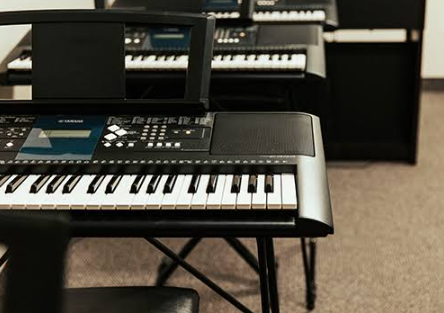
Buying a musical instrument online can be a convenient way to explore different models, compare specifications and review available prices. Digital pianos are particularly popular because they combine piano-style playing with features that suit modern homes, teaching environments and music studios.
However, choosing an instrument through an online listing requires careful research. Buyers should understand keyboard design, sound quality, dimensions and included accessories before placing an order.
Understand What a Digital Piano Offers
A digital piano produces sound electronically rather than through the strings and hammers used in an acoustic piano. Many models are designed to reproduce the sound and touch of a traditional instrument.
They can be useful in homes where volume control is important. Headphone connections allow quieter practice, while some models offer recording functions, metronomes and connections to external devices.
Digital pianos are available in different sizes and styles. Portable models are easier to move, while cabinet-style instruments may provide a more traditional appearance and integrated stand.
Check the Keyboard Action
Keyboard action is one of the most important specifications to review. It describes how the keys respond when a player presses them.
Weighted keys provide resistance that can help students develop control and finger technique. Hammer-action keyboards aim to recreate aspects of the response found in acoustic pianos.
Some entry-level keyboards use lighter keys. These may be suitable for casual music-making, but students intending to study piano seriously may prefer a more realistic playing feel.
Product descriptions should explain the type of action used. If the information is unclear, ask the retailer for further details.
Compare Sound Quality
Sound quality affects both practice and performance. Digital pianos may use sampled recordings, sound modelling or a combination of technologies to produce piano tones.
Buyers should review the number and type of available sounds, speaker specifications and headphone compatibility. Demonstration videos can provide an initial impression, although the sound heard online may differ from the actual instrument.
If possible, compare the model in a physical showroom before ordering. This can help assess its tonal character and dynamic response.
Review Key Count and Polyphony
Many full-size digital pianos have 88 keys, offering the same broad range as a conventional piano. Smaller models may have fewer keys to reduce size and weight.
Polyphony refers to the number of notes an instrument can produce simultaneously. Higher polyphony can be useful when playing complex pieces, using the sustain pedal or layering sounds.
The appropriate specification depends on the player’s level and intended use. Beginners may not need the most advanced capabilities, but a model with sufficient range can support long-term learning.
Consider Connectivity and Learning Features
Modern digital pianos may include USB connections, MIDI support, Bluetooth functionality and compatibility with music applications. These features can help players connect to computers, tablets or recording equipment.
A built-in metronome can support rhythm practice, while recording functions allow students to review their progress. Some models also include lesson modes or split-keyboard features.
Before purchasing, confirm which connections are actually supported and whether any required cables or software are included.
Check Dimensions and Accessories
Online shoppers should measure the intended location before choosing a piano. Check the instrument’s width, depth and height, along with the space needed for a bench and pedal unit.
Also review whether the package includes:
- A stand or cabinet.
- A sustain pedal.
- A music rest.
- A power adapter.
- A bench or stool.
- Headphones or connecting cables.
Some products are sold as instrument-only packages, so accessories may need to be purchased separately.
Understand Delivery and Warranty Conditions
Digital pianos can be heavy or delicate, particularly cabinet-style models. Buyers should review delivery charges, handling arrangements and whether installation or assembly is included.
Warranty coverage is another important factor. Check the warranty period, what components are covered and how service requests are handled.
A clear returns policy is useful if the instrument arrives damaged or does not match the product description.
Explore Online Digital Piano Options
Those planning to buy a digital piano online can compare models, specifications and available styles before deciding. Checking the exact model number, package contents and delivery arrangements helps make an online purchase more straightforward.
Frequently Asked Questions
1. Is a digital piano suitable for serious piano practice?
Yes. Many digital pianos feature weighted or hammer-action keys and can support structured learning. The suitability depends on the model’s touch and sound quality.
2. Are 88 keys necessary for beginners?
They are not essential for every beginner, but an 88-key instrument provides a complete range and can remain useful as playing skills develop.
3. What should be checked before ordering a digital piano online?
Review keyboard action, sound specifications, dimensions, included accessories, delivery terms, warranty coverage and the returns policy.
Conclusion
Buying a digital piano online offers convenience and access to a wide selection of instruments, but the decision should be based on more than price. Keyboard action, sound quality, connectivity, size and after-sales support all deserve attention. Careful research can help buyers select an instrument that suits their musical goals and provides a satisfying practice experience.